- Blog
- Commercial
Commercial Drone Roof Inspections: How Modern Technology Improves Commercial Roof Assessments
October 5, 2026


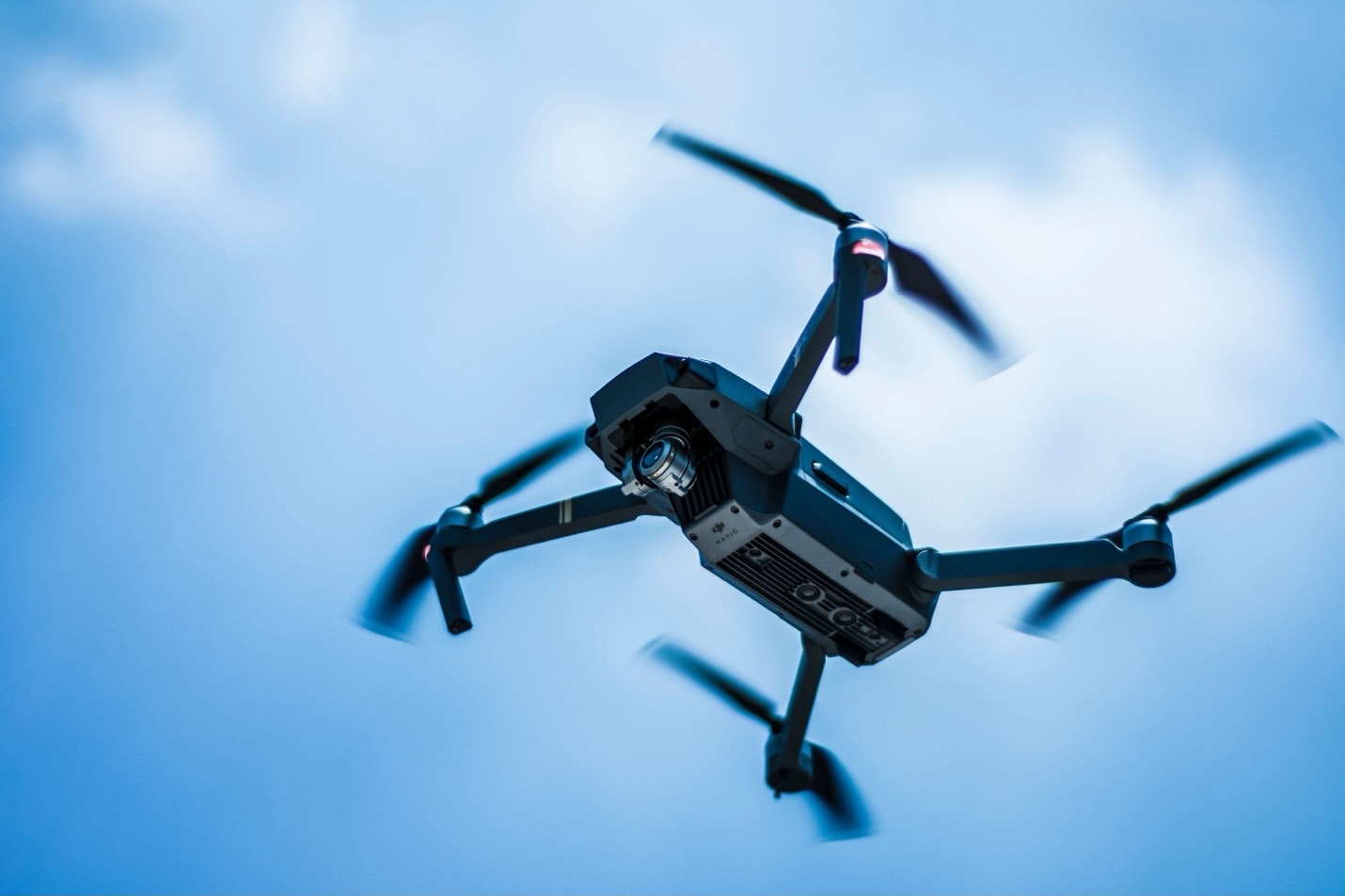
If you need a bird’s-eye view of a roof, a drone roof inspection may be the best choice for you. Until a few years ago, using a machine to collect aerial images for inspections still felt like a novelty. But today, commercial property owners and managers depend on drones for their commercial roof inspections to make more detailed reports.
We’ll dive into how a drone roof inspection works, what makes them a good option for commercial and multifamily properties, and how to decide on a roofing contractor that offers them.
What’s a drone roof inspection?
A drone inspection keeps everyone on the ground by using an unmanned aerial vehicle (UAV) equipped with high-resolution cameras to take pictures and videos of the roof from the air. For both steep-slope and low-slope commercial systems, drones are especially helpful for seeing around large, tall, or hard-to-access areas.
The drone operator can see what’s normally seen during a traditional inspection, plus more angles of:
- Chimneys
- Flashings
- Downspouts
- Vents
- Gutters
How a drone roof inspection works
The drone inspection process is fairly simple, and your inspector will walk you through their specific steps. Here are the basics:
- Pre-Flight Planning: Nothing happens until you get permission! Drone operators must first go through pre-flight checks, ensuring they’ve met all necessary airspace regulations, before mapping out the property and checking for potential obstacles like power lines or dense overgrowth. From there, they’ll create a safe flight path for the drone.
- Time to Fly: After the planning, it’s time to take to the skies. The drone will fly over your property with the help of its on-ground operator. No matter if there’s a steep pitch or damage in hard-to-see areas, the drone will capture it all.
- High-Resolution Aerial Data Capture: During the flyover, the drone takes thousands of images and video footage (and sometimes thermal imaging). These references come in handy in the latter stages of the adjustment and insurance processes.
- Image Analysis: After the flight, specialized software compiles the data into a readable report for the roofing team to review. While the drone collects the aerial images and data needed, a qualified professional uses that data to determine findings and make a plan for repairs.
Drone inspections vs. traditional roof inspections
In a traditional roof inspection, a home inspector or insurance adjuster climbs onto the roof with a ladder before looking for and noting specific areas of the roof suspected of damage. They’ll also take pictures of problematic areas, using them as evidence for judgment calls on repairs or replacements.
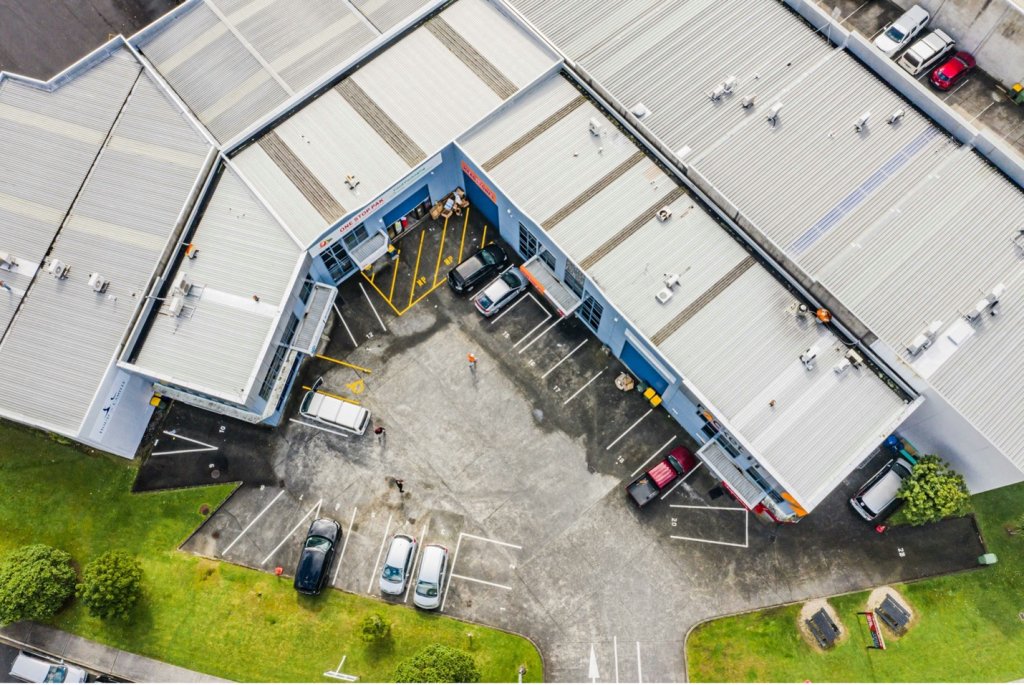
In an aerial roof inspection, drones cover more space in less time, giving you a view of places that may be difficult for humans to access. Plus, they provide highly detailed data and 3D models for more accurate roof measurements.
Both types of inspections are relevant depending on the use case, and drone usage shouldn’t replace critical thinking and roofing expertise. Instead, it should strengthen and support the process.
Why drone roof inspections matter for commercial properties
Known for their sprawling roofs and steep pitches, commercial buildings aren’t the easiest to get on top of for roof inspections. Instead, some are opting for drone inspections to keep teams safe and keep costs down.
A drone helps with:
- Improved Safety: Protect your team members by keeping them off eroding roofs and steep pitches that can lead to accidents and falls. The fewer people on uneven, high-up surfaces, the better! Drones are a safe alternative, giving you eyes in the sky without the risk.
- Faster Assessments with Less Disruption: While a team may take 45 minutes to an hour for a typical roof inspection, the time is significantly cut down with a drone. Plus, there’s little to no disruption for those living or working in the spaces.
- More Complete and Consistent Documentation: Pictures, videos, and other handwritten notes from inspections can get lost or misplaced over time, causing gaps in records. But a drone inspection creates a well-organized set of records that roofing specialists can refer to later on. This helps with warranty claims, budgeting, and long-term planning. It also gives you a solid baseline for ongoing commercial roof maintenance.
The technology behind a modern drone roof inspection
A drone’s technology compiles specific information for roofing inspectors to use in their reporting and planning. Most drones are equipped with:
- High-Resolution Aerial Photography: High-megapixel cameras capture the finest details below, like lifted shingles, pooling, or cracked flashing. After images are taken, teams can zoom in and spot specific, granular problem areas.
- Thermal and Infrared Imaging: With infrared imaging and thermal technology on drones, you’ll spot trapped moisture or saturated insulation beneath the roof membrane. For flat commercial roofs where moisture can spread undetected, this technology is especially useful.
- 3D Mapping and Photogrammetry: Use multiple images for a bigger picture. Overlapping images are used to create accurate measurements, 3D models, and maps of roofs for precise estimates and better documentation of the process. Scoping and quoting just got a lot easier!
- Inspection and Reporting Software: From all the data points collected, reports and findings are shared with annotated images and measurements that everyone, including insurers and owners, can use. Our roofing team uses the software to organize all the collected data before inputting it into a comprehensive report.
What a drone roof inspection can reveal
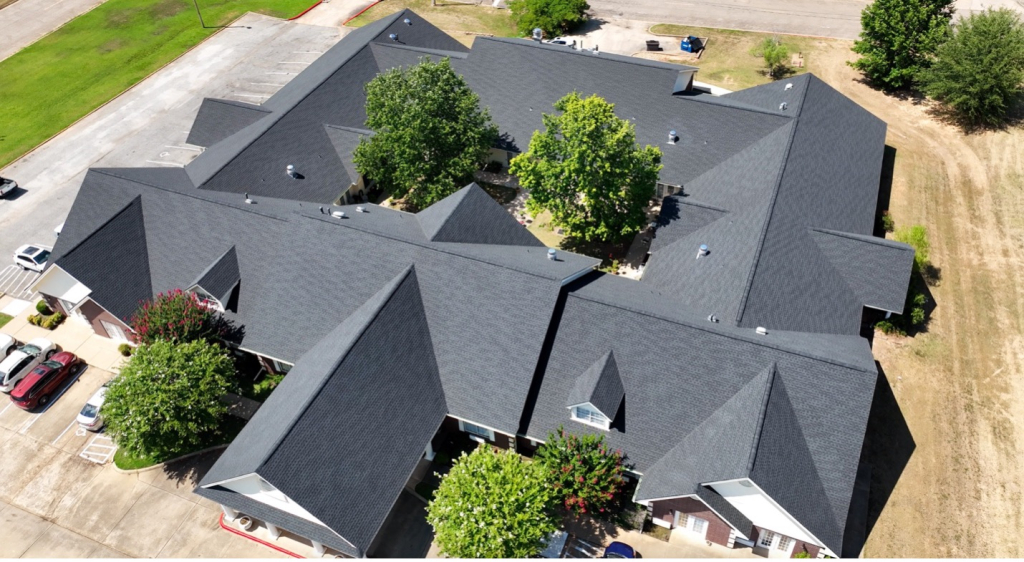
Using a drone for your roof inspection means you’ll get a closer look at things you may not have noticed before. This includes:
- Storm, hail, and wind damage to the shingles
- Membrane punctures, openings, blisters, or failing seams
- Ponding water and drainage issues
- Loose, damaged, or missing flashing
- Deteriorated or clogged rooftop equipment curbs
- Signs of trapped moisture or saturated insulation identified through thermal imaging
Using drone inspections for insurance and storm damage claims
Because of the detailed visuals and documentation from the thermal imaging, you can use the data pulled from drone imagery to support insurance claims. For commercial and multifamily owners, this high-resolution evidence may help prove storm damage and assist in documenting damaged property, supporting the claim from inspection to settlement.
Documenting storm damage in Texas
In Texas, we experience a wide range of weather. From intense hurricane seasons to spring hail and damaging winds, storms create roof issues. Prompt and detailed documentation after storms gives you a reference point before repairs even start; keep your insurance claim strong by giving context to the life of the roof.
Where drone inspections fit – and where hands-on assessment still matters
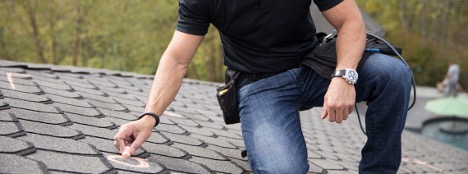
Drones do a lot of heavy lifting for roof inspections, but it’s not a fully automated process. While our tech is handy for screening and documentation, it has real constraints. Mainly:
- Drones can’t test how decking or membrane feels underfoot
- High winds and bad weather can ground a flight
- Some conditions need a technician to confirm findings up close
The most reliable commercial roof assessments? Those are the ones that pair drone data with hands-on inspection when necessary.
How to choose a contractor for drone roof inspections
Before you pick out a contractor for your roof inspection, keep in mind drone-specific qualifications besides standard roofing credentials. This includes:
- FAA Part 107 Certification: Commercial drone operators are required by law to hold an FAA Part 107 Remote Pilot Certificate in order to fly legally for business purposes. Be sure to confirm that your operator is licensed and certified before booking them.
- Roofing Expertise and Manufacturer Credentials: There’s a big difference between flying a drone and interpreting the data coming from the flyover, and you need a professional roofer for the second part. Be sure your contractor has a strong understanding of commercial and multifamily roofing and current manufacturer certifications.
Schedule a commercial drone roof inspection with Stonewater Roofing
Ready for your next roof inspection? Stonewater Roofing is a family-owned, GAF Master Elite certified contractor with over 15 years of experience serving commercial, multifamily, and residential properties throughout East, Central, and North Texas, with a service area including Arkansas, Louisiana, and Oklahoma.
Our team pairs modern inspection technology with hands-on roofing expertise to give property owners a clear, well-documented picture of roof condition. Contact us online or call Stonewater Roofing at (903) 266-1205 to schedule a commercial roof inspection or request a free quote.

